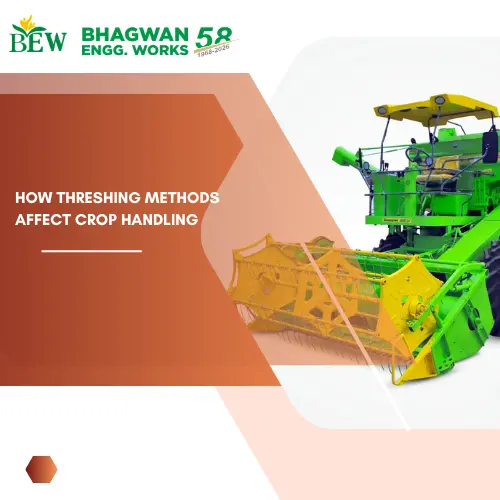
Threshing – The process of separating the grain from the rest of the plant parts, such as stems and husks, after harvesting does not end in the field. The method used will influence the quality of the grain, time and labour needed to handle the produce, and storage conditions. Suitable methods of threshing enable farmers to handle their crops with minimum grain losses.
Understanding The Threshing Process
Threshing involves eliminating grains or seeds form the rest of a harvested crop. Threshing can be time-consuming and labour-intensive using traditional methods, but using a machine can increase the quantity of crop processed in a shorter period of time. When deciding upon a threshing method, consideration should be given to the type of crop, the size of the harvest, the moisture content of the crop, and the availability of labour and equipment. If threshing is easier and quicker, the harvest can be processed more efficiently.
Crop Type Affects Threshing
The threshing requirements of different crops are not the same. Wheat, rice, maize, pulses and other crops differ in their size, shape, moisture content, nature of the enclosure, and strength of the attachment to the plant. A procedure suitable for one crop is not always successful with another crop. Knowledge of the crop before selecting equipment helps in minimizing grain damage and facilitates cleaner separation of grain.
Moisture Level Matters
Moisture may affect the ability to thresh. Too wet may be hard to separate properly, too dry and crops may be more susceptible to cracking/breakage. It is wise for farmers to inspect fresh material before threshing. Proper moisture content will help with separation, reducing losses, and facilitating cleaning, drying and storing.
Reducing Grain Damage
A good threshing should be able to separate the grain without damaging the contents. The grain can be cracked by the thresher being too aggressive, wrong machine adjustment or too fast operating speed. The grain will be harder to store and valuable in the market if damaged. For optimum use the user should choose the appropriate settings and operate the machine according to the crop being threshed.
Improving Separation Quality
A good threshing method should not produce only a small amount of good grain mixed with straw, husks and other materials. If not properly separated this can involve a lot of extra cleaning and time spent processing the grain. With the right adjustment of machinery the amount of separation achieved can help to reduce the handling of grain required during harvest.
The Role Of Mechanical Equipment
Mechanical equipment has altered the way many farmers approach processing their harvested crops. Farmers are now able to process a larger amount of crops in a shorter period of time as they are not reliant purely on labour. A Multicrop Thresher Machine may assist when a variety of crops need to be processed during the farming season. Equipment that is properly chosen can also reduce the labour work but can still provide uniform processing outputs.
Handling Different Crops Efficiently
Farmers that cultivate multiple crops or those that store multiple crops on one farm might prefer equipment capable of threshing various types of harvested material. This flexibility can help lower the number of machines farmers have to buy for each crop type. A Multicrop Thresher can meet this requirement by allowing threshing of various crops with appropriate adjustments. It may be appropriate for farms that change crop types throughout the year.
Considering Machine Capacity
For machines capacity should be balanced with the required level of crop processing. It is important that the machine is not undersized as it may take longer to process the crop, nor should be oversized which would lead to higher costs in purchasing and operating the equipment. Whether a farm determines the right size for them will be dependent on the size of the farm, amount of crop to be harvested, labor force and when the crop needs to be processed.
Why Machine Size Matters
The size of a machine can influence transportation, storage, operation and power needs. Farmers need to think about how easy it will be to transport equipment between locations and to keep the equipment in a safe place when not in use. When looking at the Multicrop Thresher Machine Price it is helpful to take many things into consideration, not just the amount of money it will cost to purchase the equipment.
Comparing Purchase Costs
The purchase price is an important factor to consider when buying agricultural equipment, however a cheaper purchase price may not always be the best value for money. Farmers must also take into account fuel costs and consumption, maintenance costs, replacement parts, possible working life and ease of operation. Comparing the prices of a Multicrop Thresher can help farmers make more practical decisions.
Looking At Long Term Value
Since agricultural machinery is often used over many harvests, it is important that the machinery continues to have value over its lifetime. Heavy construction, sound components, ease of maintenance and availability of spare parts will increase the usefulness of machinery over time. It is important to remember that the machine will need to adapt to increased future needs if the farm expands.
Choosing Suitable Local Equipment
Local manufacturing can have practical benefits to a farmer. Spare parts may be more readily available and service support could be more accessible. For a farmer looking at Multicrop Thresher Price In India, it would be useful to compare the machines in terms of quality, capacity, service support and appropriateness to local farm conditions.
Maintenance Supports Better Results
- Maintenance of agricultural equipment helps to ensure good performance and begins with pre use inspections, which should include checking of belts, bearing, screens, fasteners, moving parts, among others. During the clean-up after work, buildup of materials can be minimized and damage to excess wear. Good maintenance procedure and instruction can improve standards and enable the detection of minor problems before any major repair is needed.
Safe Operation Is Important
Threshing machines have moving parts which can be very dangerous if operated carelessly. Operators need to be familiar with all the parts of the machinery before beginning work. Loose clothing and unnecessary items should be kept away from the machine. It is also necessary to turn off machinery and clear blockages and make adjustments.
Better Handling After Threshing
Once the grain has been threshed, the process does not end. Cleaning, drying, grading, bagging and storing might all be necessary. Clean grain free from damage is more straightforward to handle during each process.
Consider planning everything that needs doing after threshing, so as to minimize delays and preserve the quality of the crop.
Proper handling practices are also essential in helping farmers get their grain ready for storage, transportation or sale.
Conclusion
The choice of threshing method can have a considerable impact on the ease of the harvested crop for cleaning, storing, transporting and marketing. Selection based on factors such as crop type, moisture content, machine capacity, protect grain, maintenance, safety, and operating costs, can greatly improve the situation.