The Power Behind Smarter Grain Processing in Modern Farming

The Missing Linkage between Harvest and Higher Profits
April 28, 2026
Why Modern Farms Focus on Faster Grain Management
May 7, 2026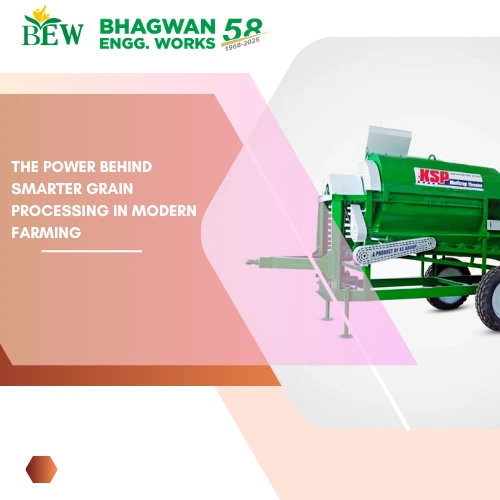
We farmers today have an increasingly complex challenge—how to make the most out of all of our hard work and time spent growing crops, so that what we produce not only gets to the market but commands a high price. To us, efficient grain processing is an indispensable part of the whole farming process, without which much effort can be lost.
It’s efficient grain processing that turns all the energy spent cultivating crops into profit, and its absence has often led to great delays, substantial losses, and lower product quality. That’s precisely the reason we see farmers worldwide adopting modern machinery to speed things up and keep our products consistent.
How to Ensure Efficiency in Grain Processing
What determines the efficiency of grain processing? It boils down to the speed, accuracy and adaptability of processing technologies. Traditional methods have had a hard time meeting today’s demanding pace and labor-intensiveness. Modern farming machinery allows farmers to process massive amounts of crop rapidly and competently.
The magic lies in using a single piece of machinery capable of performing various tasks simultaneously. A grain separator, cleaner and prepping tool could do it all in one single pass—which naturally saves significant amounts of time and labor, translating into both cost savings and more reliability.
Multi-Functional Grain Processing Machines
This type of innovation has resulted in a very important development in this field: grain processing machinery that easily handles multiple crops with minimal adjustments. The Multicrop Thresher Machine has become a standard piece of farming equipment on modern farms simply due to its ease of use and versatility.
This kind of machinery is designed to process diverse crops without needing tedious recalibrations between types. This adaptability means a single unit can be used throughout the year for a number of crops, which has to be considered in a long-term farming operation. These machines are effective because they bundle a number of functions into a single system; this effectively cuts down both the time and labor associated with grain processing.
Advanced Technologies Increase Output
Modern machinery employs new technology to perform the task of grain processing more effectively than ever before. Modern designs of machinery allow them to last longer and produce more consistent outputs, often using better materials and improved internal mechanisms.
The Multicrop Thresher embodies a clear improvement over existing designs in how it gets the job done. It’s able to process grain efficiently and quickly. With a machine this advanced, you ensure better productivity and no reduction in the quality of the processed grains. A smooth and easy operation ensured by the sophisticated mechanisms inside the machine translates into less downtime, which is paramount especially during peak harvesting periods.
Cost and Value Considerations
Regardless of all the productivity and technology-centric features, cost remains a major decision factor. Investing in machinery requires thoughtful analysis. Different Multicrop Thresher Price options are available on the market, each depending on factors like its overall capacity, sturdiness, and additional features it comes equipped with.
Farmers often weigh the pros and cons of multiple options, comparing them and looking for the one that provides the best mix of initial affordability and long-term returns. Looking beyond the price is necessary for a successful purchase—how will this specific machine translate into improved farming efficiency and, therefore, greater profits over time?
Similarly, the Multicrop Thresher Machine Price can range widely due to variations in the included technologies and the general level of performance. Advanced units may command higher prices, but these often bring significant improvements in production efficiency and lower operating costs over their life cycles.
Local Price Trends
A further consideration is how agricultural machinery pricing varies geographically. Factors like shipping costs and market demand affect what you pay for your machinery. For example, a Multicrop Thresher Price In India could differ drastically depending on the particular region where it is being sold, simply due to the prevailing economic conditions and transportation costs involved.
Careful searching between different dealers and markets can reveal opportunities to secure machines for less; meanwhile government incentives and subsidies can also help lower the cost of newer, more efficient machinery in some regions.
Benefits that Extend Beyond Speed
Efficient grain processing does more than just move crops along the pipeline faster. A higher quality of grain can actually lead to increased market value, which directly contributes to a farmer’s income.
Additionally, it means lower amounts of post-harvest loss, so more of the harvested crops make their way to consumers—all in all, a more economical practice and a more environmentally responsible one too. Reduced demand on the farmer’s labor allows them to concentrate more fully on other crucial farm matters, rather than getting bogged down in too many tasks.
Prepare for Cyclic Farming Operations
The quick completion of the grain processing stage also plays a vital role in the agricultural cycle of a farm. After processing, the field can be cleared and prepared to sow for the next crop without any delays. This ensures that every season’s work can be maximized.
When grain processing operations are delayed, a domino effect can occur within the crop growing cycle, causing a loss of opportunity and a decline in subsequent yields. By using efficient processing machinery, you can prevent such situations from happening and keep the whole agricultural cycle moving.
Choose Wisely – Selecting the Correct Machine
The type of agricultural equipment chosen for any given farm will depend on a variety of factors—the size of the farm, what kind of crops you are processing, and also the budget at your disposal. A careful consideration of the farmer’s specific needs is necessary prior to purchasing.
Factors that play an important role include the operating capacity of the machine, its ease of operation, the requirement for upkeep, and whether you will be able to find replacement parts easily should the need arise. The correct choice of machine will meet current production requirements and will also be helpful for the expansion of the farm over time. This makes purchasing reliable equipment a worthwhile long-term investment.
Looking Towards the Future of Grain Processing
Efficiency and sustainability in agriculture are growing trends that will continue to impact post-harvest crop processing. The next generation of grain processing equipment is likely to be even more sophisticated, improving speed and accuracy considerably.
There will probably be a more prevalent role for both automated systems and “smart” technologies which can help farmers optimize their grain processing at minimal expense of labor and effort. The benefit of these innovations extends beyond just enhanced productivity; it may also reduce the environmental impact of grain processing, helping to foster more sustainable methods of farming.
Summary
Efficient grain processing is undoubtedly the foundation of successful modern farming. Utilizing advanced machinery combined with informed decisions can provide a considerable boost to both the farmer’s productivity and profits.
From reducing loss rates of harvested grain to improving crop quality, effective processing technology is beneficial for all involved. Farmers who choose to invest in the right tools will be better equipped for the challenges presented by modern agriculture, thus achieving more productive and prosperous farms for years to come.