What Farmers Do After Harvest?

Designing and Making Post-Harvest Field Work Easier
September 15, 2026
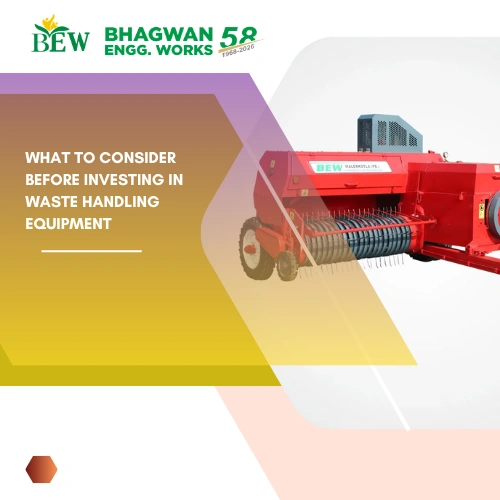
What to Consider Before Investing in Waste Handling Equipment
September 21, 2026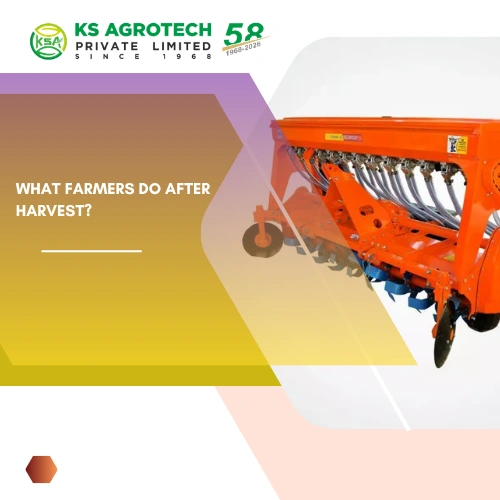
When the harvest is complete, the work on the farm continues. Before planting the next crop, the field needs to be cleared of the previous crop’s residues. Paddy fields may have leftover straw and stubble, which can complicate subsequent farm operations.
But farmers can manage this by preparing the land and ensuring the field is ready for the next crop.
The space. This space. The time between harvest and sowing can be short, so that careful planning can save time and effort.
Start With Field Inspection
By inspecting the field soon after harvest, farmers can get a sense of the quantities of straw and stubble, soil moisture, and general field conditions. In some fields, there may be light crop residues, while in others, there will be large quantities of straw and stubble left standing in the field. This variation can determine the next operation.
Early assessment of the field can also help farmers ensure the required machinery and tractors are easily available.
Clear Crop Residue
Paddy stubble left in the fields can cause problems for subsequent field operations. If there is a significant amount, this needs to be managed, or the next stage of farming can be hampered. Farmers can choose to convert plant material into soil for future use, rather than treating it as waste.
Crop residues can be retained in the field for subsequent inclusion in the soil. A super seeder can help manage crop stubble while effectively performing field preparation and sowing. This helps avoid multiple passes over the same land for separate operations.
Saving Time Between Crops
Since there is often little time between crops, farmers need to do everything possible to prepare the field for the next crop on time.
Using suitable equipment can help reduce the number of tractor passes needed across the land and the effort and time required. When evaluating such machinery, consider the area to be covered and the required pace. Determine the field requirement. Understand tractor capacity, power, soil type and field layout before buying equipment.
Check Machine Requirements
Every machine has specific requirements.
The tractor needs the correct power and working width for each machine used. Examine the machine’s working capacity before purchasing, and match it to tractor capacity. This can help standardise daily operations.
Price Comparison
Prices are a vital component of any machinery purchase. However, price should not be the sole consideration. The price of the Super Seeder varies depending on size, working width, design and specification.
The prospective purchase can be compared to equivalent models, and fuel consumption, servicing, spare parts and service support taken into account.
Consider Working Width
For larger fields, wider machines can enable the tractor to complete the work in less time, provided the tractor’s power is sufficient. When considering wider options, check the Super Seeder Price, and compare it with other sizes. The largest size may not suit all farms. The size of the field, tractor capacity and field conditions all need to be taken into consideration.
Local Options
Available types and brands of farm equipment may vary.
Some models and price ranges may not have the same specifications as those seen elsewhere. Comparing the Super Seeder prices in the India market can be very helpful. What is important is easy access to servicing and spare parts during busy sowing time.
Paddy Stubble
When paddy straw remains standing in the field after harvest, it can hinder subsequent field activities. Proper management of the stubble can make the transition to the following crop much easier. The Paddy Stubble Super Seeder is a tillage tool suited to crop stubble and field-sowing needs.
This combination minimises field passes and maximises tractor effort.
Think About Maintenance
Equipment needs to be cleaned and checked after each use. Follow the equipment’s operations manual for maintenance and checks of wear-and-tear items and bolt tightness. Farmers can check the equipment’s moving parts or have a mechanic do so. During the season, bolts and moving parts should be checked and maintained.
This can reduce the chances of unplanned delays in the field.
Total Cost Of Ownership
Another factor to consider when purchasing a machine is the level of usage, years of service, and the area it can cover. Fuel, service parts and repairs will add to the overall cost over time. An equipment item that suits the requirements can prove worthwhile over many years of use.
Next Season Planning
Once the crop residue has been tackled, the next season’s planting can be completed. Any seed, fertiliser or irrigation requirements should be set in order. The field condition should be checked before sowing – the moisture level and surface condition can affect subsequent operations.
Good planning can prevent last-minute complications.
Conclusions
After crop harvest, farmers can take multiple steps to prepare the land for the next crop. Managing crop residues and preparing the field can require significant effort, and selecting suitable equipment that reduces effort and increases efficiency can be helpful. Speed and efficiency in completing the work can translate into fuel savings and reduced tractor hours. The level of field involvement has to be considered, including working width, field size, soil type, and local climate conditions.
The overall investment, including operating costs, should be weighed against the number of years the equipment will be used.
A well-planned approach can positively impact operational efficiency and final output.