

Cultivator-MANUFACTURERS, EXPORTERS SUPPLIERS
At BEW India, we understand that proper soil preparation is one of the most important steps in successful farming. A well-prepared field improves seed germination, promotes healthy root development, reduces weed growth, and increases crop productivity.
A Cultivator is one of the most widely used farm implements for soil preparation. It helps farmers break soil clods, remove weeds, improve soil aeration, and prepare the field for sowing. Whether you are growing wheat, paddy, cotton, maize, sugarcane, or vegetables, the right cultivator can significantly improve field efficiency and crop performance.
What Is a Cultivator?
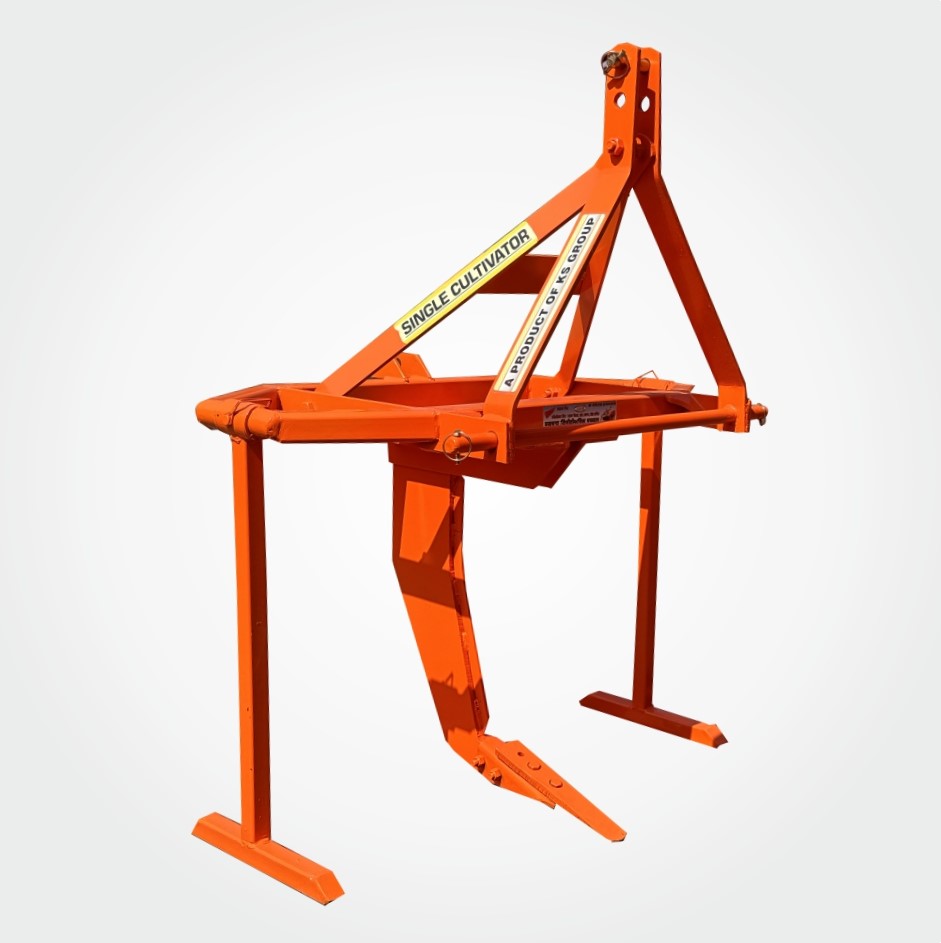
A cultivator is an agricultural implement used to loosen and stir the soil before planting and during crop growth. It breaks compacted soil, controls weeds, and improves soil structure without turning the soil as aggressively as a plough.
Modern cultivators help farmers:
- Prepare seedbeds efficiently
- Remove unwanted weeds
- Improve soil aeration
- Enhance water infiltration
- Reduce soil compaction
- Save labor and operational costs
At BEW India, we manufacture durable cultivators designed to perform effectively across different soil conditions and cropping systems.
Why Is Soil Preparation Important?
Proper soil preparation directly impacts crop productivity.
Benefits include:
- Better seed-to-soil contact
- Uniform germination
- Strong root development
- Improved nutrient absorption
- Better moisture retention
- Reduced weed competition
Fields that are properly cultivated often result in healthier crops and higher yields.
How Does a Cultivator Work?
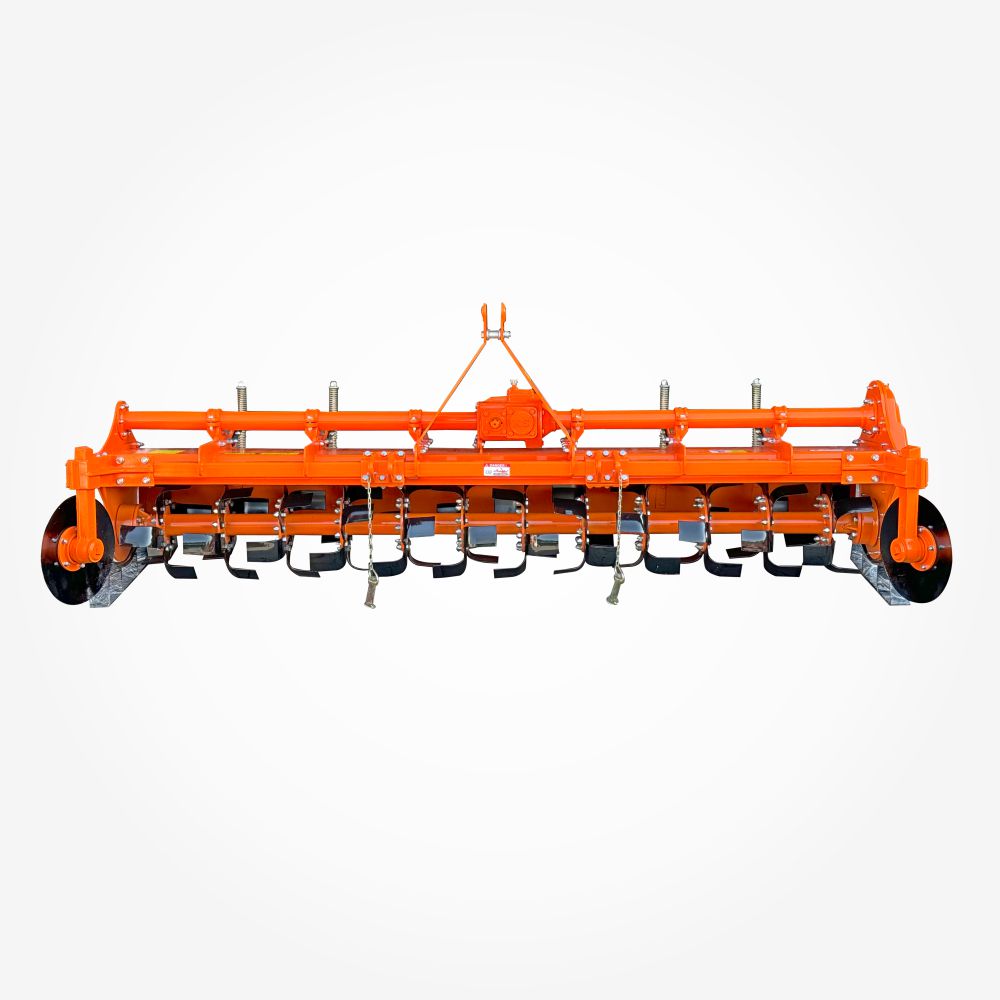
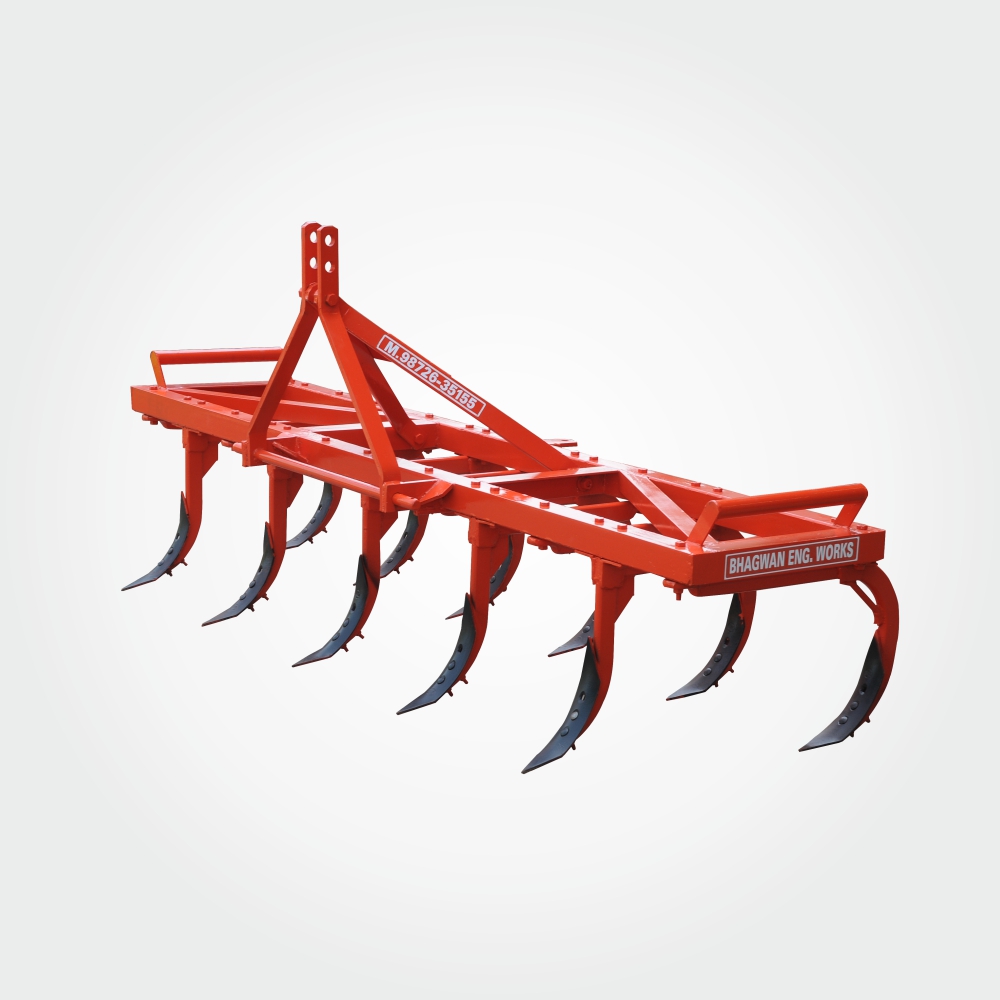
A cultivator uses a series of tines, shovels, or sweeps mounted on a sturdy frame. As the implement moves through the field, these components penetrate the soil and break up hard layers.
The working action:
- Loosens compacted soil
- Breaks clods into smaller particles
- Removes weeds
- Creates a suitable seedbed
- Improves soil structure
The result is a field that is ready for planting and capable of supporting healthy crop growth.
Why Do Farmers Use a Cultivator For Tractor Operations?
One of the biggest advantages of modern farming equipment is the ability to cover large areas quickly.
A Cultivator For Tractor applications allows farmers to:
- Prepare larger fields faster
- Reduce labor dependency
- Improve operational efficiency
- Lower fuel consumption per acre
- Achieve consistent field preparation
Matching the cultivator with the correct tractor horsepower ensures maximum performance and durability.
What Types of Soil Can Be Cultivated?
Cultivators can be used across a variety of soil conditions, including:
Sandy Soil
- Easy penetration
- Faster field preparation
Loamy Soil
- Excellent cultivation results
- Uniform seedbed creation
Clay Soil
- Requires stronger frames and tines
- Effective at breaking hard soil layers
Medium Black Soil
- Suitable for multiple cultivation operations
- Supports moisture conservation
The right equipment configuration depends on local field conditions.
What Features Should Farmers Look For?
When selecting a cultivator, farmers should consider:
Strong Frame Construction
A robust frame increases durability and allows the machine to withstand heavy field conditions.
High-Quality Tines
Strong tines improve penetration and reduce maintenance requirements.
Adjustable Working Depth
Different crops and soil conditions require different cultivation depths.
Easy Maintenance
Simple maintenance helps reduce downtime during peak farming seasons.
Compatibility with Tractors
Proper tractor matching improves operational efficiency.
How Does a Cultivator Help Reduce Weeds?
Weeds compete with crops for nutrients, moisture, sunlight, and space.
Cultivation helps:
- Uproot young weeds
- Disturb weed growth cycles
- Reduce chemical herbicide dependence
- Improve crop growth conditions
This makes cultivation an important part of integrated weed management.
What Is the Difference Between a Cultivator and a Rotavator?
Many farmers compare these implements before purchasing.
Cultivator
- Loosens soil
- Preserves soil structure
- Lower fuel consumption
- Ideal for primary and secondary tillage
Rotavator
- Pulverizes soil extensively
- Creates finer seedbeds
- Higher fuel requirement
- Often used for intensive seedbed preparation
The best choice depends on crop requirements and soil conditions.
How Does a Cultivator Improve Soil Health?
Healthy soil supports long-term agricultural productivity.
Cultivation contributes to:
- Better root penetration
- Improved aeration
- Enhanced water movement
- Better nutrient availability
- Reduced surface compaction
These benefits support sustainable farming practices.
Why Is Equipment Quality Important?
Investing in quality agricultural equipment often results in lower maintenance costs and longer service life.
Many farmers compare the Cultivator Price alongside:
- Build quality
- Steel strength
- Performance history
- Dealer support
- Spare parts availability
Focusing solely on purchase cost may not always deliver the best long-term value.
What Makes a Modern Cultivator Machine Efficient?
A modern Cultivator Machine is designed to maximize productivity while minimizing operating costs.
Benefits include:
- Faster field preparation
- Better soil conditioning
- Improved durability
- Lower maintenance
- Enhanced fuel efficiency
Modern engineering has made cultivation operations more productive and cost-effective than ever before.
How Do You Choose the Right Cultivator Size?
Several factors influence machine selection:
Field Size
Larger farms may benefit from wider cultivators.
Tractor Power
Horsepower should match implement requirements.
Soil Conditions
Heavy soils may require stronger configurations.
Crop Type
Different crops may require different cultivation depths.
Choosing the right size ensures optimal field performance.
What Factors Affect Tractor Cultivator Cost?
Farmers often evaluate the Tractor Cultivator Price based on:
- Number of tines
- Working width
- Frame strength
- Material quality
- Brand reputation
- Manufacturing standards
Understanding these factors helps farmers make informed investment decisions.
Frequently Asked Questions (FAQ)
What is the primary purpose of a cultivator?
A cultivator prepares soil for planting, removes weeds, improves aeration, and enhances seedbed quality.
Can a cultivator be used for weed control?
Yes. Cultivators are highly effective at removing weeds and reducing weed competition.
How deep should cultivation be performed?
The ideal depth depends on soil type, crop requirements, and field conditions.
Is a cultivator suitable for all crops?
Yes. Cultivators are commonly used in wheat, paddy, maize, cotton, sugarcane, and vegetable farming.
How often should a cultivator be maintained?
Regular inspections, lubrication, and tine checks help maintain optimal performance.
What tractor horsepower is required for a cultivator?
The requirement depends on working width, soil conditions, and implement configuration.
Does cultivation improve water retention?
Yes. Proper cultivation improves soil structure, allowing better moisture penetration and retention.
How long does a quality cultivator last?
With proper maintenance and usage, a quality cultivator can provide many years of reliable service.
Why choose BEW India cultivators?
At BEW India, we focus on:
- Strong construction
- Reliable field performance
- Durable components
- Farmer-focused designs
- Excellent after-sales support
Our cultivators are designed to help farmers improve productivity, reduce operating costs, and achieve better farming results.
Contact BEW India
Looking for the right cultivator for your farm?
Our team can help you choose the ideal solution based on your tractor capacity, soil conditions, and crop requirements. Contact BEW India today to learn more about our range of agricultural implements and farming solutions.
Special Features
| Specification | 5 Tyne Model | 7 Tyne Model | 9 Tyne Model | 11 Tyne Model |
|---|---|---|---|---|
| BASIC SPECIFICATIONS | ||||
| Number of Tynes | 5 | 7 | 9 | 11 |
| Tyne Type | Spring-loaded, Heavy-duty angle iron | |||
| Working Width | 1,220 mm (4 ft) | 1,524 mm (5 ft) | 1,830 mm (6 ft) | 2,135 mm (7 ft) |
| Working Depth | 150 – 230 mm (6 – 9 inches) — adjustable | |||
| Approx. Weight | ~155 kg | ~210 kg | ~280 kg | ~340 kg |
| POWER & PERFORMANCE | ||||
| Required Tractor HP | 25–35 HP | 35–45 HP | 45–55 HP | 55–65 HP |
| Field Capacity | ~0.3 ha/hr | ~0.4 ha/hr | ~0.5 ha/hr | ~0.6 ha/hr |
| Attachment Type | 3-Point Linkage (Cat I & II) | |||
| SOIL & CROP SUITABILITY | ||||
| Soil Type | Sandy Loam Loamy Medium Black Clay (light–medium) | |||
| Best For Crops | Wheat, Vegetables, Small farms | Wheat, Paddy, Maize, Cotton | Sugarcane, Cotton, Large farms | |
| Stone/Root Soil | Suitable — spring tynes auto-adjust on obstruction | |||
| FRAME & BUILD | ||||
| Frame Material | Heavy-duty MS angle iron, powder-coated finish | |||
| Tyne Thickness | 25–32 mm high-tensile steel | |||
| Rust Protection | Powder coated + primer paint | |||
| OTHER DETAILS | ||||
| Subsidy Available | Yes — PM-KISAN & State Agriculture Dept. schemes applicable* | |||
| Warranty | Manufacturing defects — contact dealer | |||
| Made In | Malerkotla, Punjab, India | |||
* Specifications are indicative. Actual values may vary by model variant. Contact BEW India at 1800120004455 for exact model-specific data. Subsidy availability subject to state government schemes.